Neck Pain: How to Relieve It – A Comprehensive Guide
Introduction
Neck pain, a ubiquitous and often debilitating issue, affects millions worldwide. From routine discomfort to severe, chronic conditions, it significantly impacts daily life, productivity, and overall well-being. This article delves into the multifaceted world of neck pain relief, exploring various approaches, treatments, and strategies to provide comprehensive insights for those seeking alleviation. We will guide readers through understanding the root causes, assessing symptoms, and implementing effective solutions, ultimately empowering them to take control of their neck health.
Understanding Neck Pain: A Deep Dive
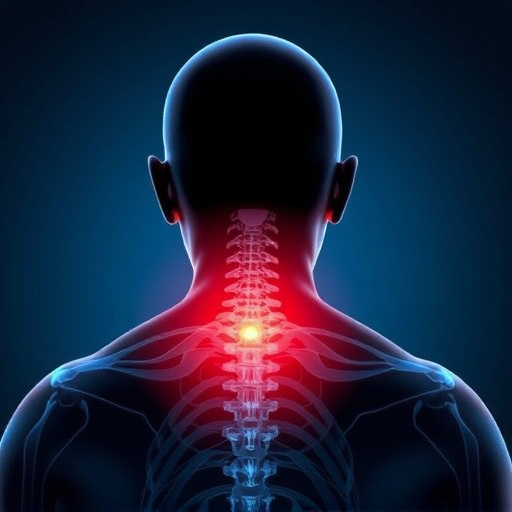
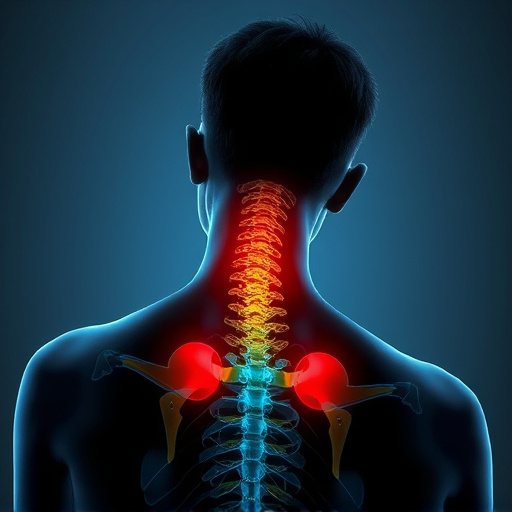
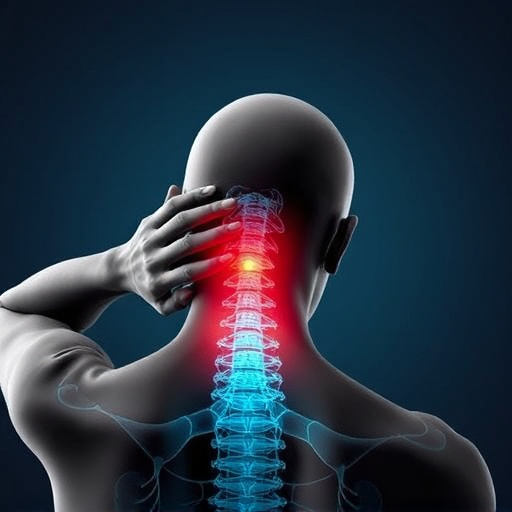
Definition: Neck pain refers to discomfort or soreness in the cervical region, encompassing the muscles, bones, nerves, and associated structures. It can range from mild ache to intense, sharp pain that restricts movement.
Causes: The complexity of the neck anatomy contributes to its susceptibility to various conditions:
- Muscle Strain: Overexertion, poor posture, or sudden movements can lead to muscle tension and inflammation.
- Sprain/Strain: Injuries to ligaments or tendons due to whiplash, accidents, or repetitive motions.
- Herniated Discs: Displaced intervertebral discs can put pressure on spinal nerves, causing pain and numbness.
- Degenerative Conditions: Osteoarthritis, spine misalignment (scoliosis), or bone spurs can narrow the spinal canal, compressing nerves.
- Infections/Inflammatory Disorders: Conditions like meningitis, shingles, or rheumatoid arthritis may affect the neck region.
Significance: Addressing neck pain is crucial for several reasons:
- Quality of Life: Chronic neck pain can significantly impair daily activities, work performance, and social interactions.
- Psychological Impact: It often leads to stress, anxiety, and depression due to persistent discomfort and limited mobility.
- Complications: Neglected or severe cases may result in nerve damage, reduced mobility, and related health issues.
Global Impact and Trends
Neck pain is a universal concern, with varying prevalence rates across regions:
| Region |
Prevalence Rate (%) |
| North America |
25-30 |
| Europe |
18-22 |
| Asia Pacific |
35 (rising due to increasing sedentary lifestyles) |
| Middle East & Africa |
20 (with urbanisation contributing to poor posture) |
Trends:
- Growing Awareness: Increasing awareness campaigns and educational initiatives are raising global recognition of neck pain.
- Sedentary Lifestyle: The rise of remote work, technology addiction, and sedentary lifestyles is linked to higher neck pain rates.
- Urbanisation: Rapid urban development in developing countries influences posture and contributes to neck-related issues.
Economic Considerations
The economic burden of neck pain is substantial:
- Healthcare Costs: Direct medical expenses include diagnostic tests, physical therapy, medications, and surgical procedures.
- Productivity Loss: Neck pain results in missed workdays, reduced productivity, and long-term disability for some individuals.
- Indirect Costs: These encompass the impact on families, caregivers, and society through loss of income, increased healthcare demands, and social services.
Market Dynamics: The global neck pain relief market is characterized by:
- Diverse Products/Services: This includes over-the-counter medications, physical therapy, chiropractic care, wellness programs, and wearable technology.
- Regional Disparities: Developed nations have higher market penetration due to advanced healthcare infrastructure and increased awareness.
- Investment Opportunities: The rising demand for non-invasive treatments and personalized medicine drives investment in research and development.
Technological Advancements
Technology plays a pivotal role in revolutionizing neck pain management:
- Wearable Devices: Neck-worn sensors monitor posture, detect abnormal movements, and provide real-time feedback to prevent strain.
- Virtual Reality (VR) Therapy: VR offers immersive experiences for pain management, muscle relaxation, and cognitive behavioral therapy.
- Artificial Intelligence (AI): AI algorithms analyze medical data, assist in diagnosis, and personalize treatment plans, improving patient outcomes.
- Advanced Imaging: High-resolution imaging techniques, such as MRI and CT scans, enable precise identification of neck pathologies.
Policy and Regulation
Regulatory bodies play a critical role in ensuring safe and effective neck pain relief:
- Food and Drug Administration (FDA): In the US, the FDA regulates medical devices, medications, and supplements used for neck pain treatment.
- International Standardisation: Organisations like the International Organization for Standardization (ISO) set guidelines for clinical trials, data reporting, and medical device safety.
- Health Insurance Coverage: Policies vary globally; some regions mandate coverage for specific neck pain treatments, ensuring accessibility.
Challenges and Criticisms
Despite progress, several challenges hinder effective neck pain management:
- Personalized Treatment: Neck pain varies greatly, making one-size-fits-all solutions ineffective. Tailoring treatments to individual needs remains a challenge.
- Access to Care: In many regions, limited access to specialized healthcare professionals and advanced technologies impedes timely and effective treatment.
- Cost-Effectiveness: High costs associated with certain treatments, such as advanced imaging and therapies, pose financial barriers for some patients.
- Misinformation: Online platforms spread unproven remedies, potentially causing harm and delaying proper medical intervention.
Strategies to Overcome:
- Personalized Medicine: Encourage research into genetic profiling and data analytics to develop personalized treatment protocols.
- Telehealth Expansion: Extend access to specialized care through telemedicine, ensuring timely consultations and remote monitoring.
- Public Education: Implement awareness campaigns to educate the public on recognizing neck pain red flags and seeking appropriate help.
Case Studies: Success Stories
Case 1: Corporate Employee’s Neck Relief
A 38-year-old software engineer experienced persistent neck stiffness and headaches due to prolonged desk work. He sought help from a multidisciplinary team:
- Assessment: The team conducted a comprehensive evaluation, including posture analysis, X-rays, and neurological tests.
- Treatment Plan: Recommendations included ergonomic office setup adjustments, regular stretching breaks, manual therapy, and medication for inflammation.
- Outcomes: After 3 months, the employee reported significant improvement in neck mobility, reduced pain levels, and improved overall well-being.
Case 2: Chronic Pain Sufferer’s Transformation
A 52-year-old woman with a decade-long history of chronic neck pain, affecting her daily life and sleep, decided to try a holistic approach:
- Chiropractic Care: She embarked on regular chiropractic adjustments, combined with heat/ice therapy and gentle exercises.
- Mind-Body Practices: Incorporating yoga and meditation helped manage stress levels and improved her connection with the body.
- Results: Within 6 months, her pain decreased by 70%, allowing her to resume hobbies and significantly enhance her quality of life.
Future Prospects: Emerging Trends
The future of neck pain relief is promising, shaped by:
- Personalized, Precision Medicine: Advanced genetic testing and AI will enable tailored treatment plans, improving outcomes.
- Wearable Technology Integration: Continuous monitoring and real-time feedback from wearable devices will empower individuals to prevent and manage pain.
- Telemedicine Expansion: Virtual consultations and remote therapy sessions will become mainstream, increasing accessibility.
- Interdisciplinary Collaboration: Multidisciplinary teams, combining expertise in medicine, technology, psychology, and wellness, will offer holistic care.
Conclusion: A Journey Towards Relief
Neck pain is a complex yet manageable condition. Through understanding its causes, assessing symptoms, and adopting a multi-faceted approach, individuals can take control of their neck health. The global community’s increasing awareness, technological advancements, and policy support create a positive outlook for effective neck pain relief. By learning from case studies and embracing future trends, we can alleviate the burden of neck pain, fostering healthier, more productive lives worldwide.
FAQ Section
Q: How do I know if my neck pain is serious?
A: If your pain persists for more than a week, worsens with movement, radiates down arms or legs, or accompanied by numbness/tingling, seek medical attention promptly. These could be signs of a severe condition requiring urgent care.
Q: Are there any DIY remedies for neck pain?
A: While some self-care measures like heat/ice therapy, gentle stretching, and over-the-counter medications can provide temporary relief, severe or chronic neck pain should be evaluated by a healthcare professional. DIY methods may not address the root cause.
Q: Can posture really affect my neck pain?
A: Absolutely! Poor posture, especially when sitting at a desk, strains the neck muscles and aligns bones abnormally. Correcting posture through ergonomic adjustments and mindful positioning can significantly reduce neck pain.
Q: What are some red flags indicating I need professional help?
A: Sudden, severe pain; numbness/tingling in arms or legs; difficulty walking or swallowing; and persistent headaches are red flags. If your pain interferes with daily activities or sleep, seek professional evaluation without delay.
Q: How can I prevent neck pain from returning?
A: Incorporate regular exercise focusing on core strength and flexibility, maintain good posture, take frequent breaks during prolonged sitting, and practice stress management techniques to reduce tension in the neck and shoulders.
Neck pain afflicts people across all demographics, caused by issues like muscular tension, poor posture, or chronic conditions. The Gold Coast Chiropractic Centre offers expert care, combining diagnostic skills with treatments such as stretching…….
Continue Reading
Neck issues causing discomfort or pain significantly impact daily life, but the Gold Coast Chiropractic Centre offers relief through specialized spinal adjustments. This non-invasive approach treats conditions like stiffness, headaches, and arm…….
Continue Reading
Neck discomfort, caused by posture, strain or injury, can range from mild aches to severe pain. Gold Coast Chiropractic Centre offers expert diagnosis and personalized treatment for persistent or severe neck pain. Chiropractors use spinal adjust…….
Continue Reading
Neck tension, caused by poor posture, stress, or prolonged sitting, leads to headaches, shoulder pain, and reduced mobility. The Gold Coast Chiropractic Centre offers personalized treatment plans combining chiropractic adjustments, exercises, an…….
Continue Reading
Cervical spine (neck) pain is a common issue caused by muscle strains, herniated discs, arthritis, or misalignments. Symptoms range from mild aches to severe, sharp pain radiating to shoulders and arms, along with headaches and tingling sensatio…….
Continue Reading
Neck pain is a common issue with various causes, from poor posture to medical conditions. Chiropractic care at Gold Coast Chiropractic Centre offers a holistic solution for lasting relief from neck pain. Chiropractors provide personalized treatm…….
Continue Reading
Neck stiffness caused by poor posture, muscle tension or injuries can lead to reduced mobility, pain, inflammation and spasms. Early intervention is crucial to prevent chronic issues. The Gold Coast Chiropractic Centre offers holistic treatments…….
Continue Reading
The Gold Coast Chiropractic Centre offers comprehensive treatment for neck strain, targeting symptoms like muscle tightness and headaches through chiropractic adjustments, joint mobilisation, and preventative measures. Their experts diagnose roo…….
Continue Reading
Neck pain, caused by factors like poor posture, injuries, or medical conditions, can range from acute (whiplash, sports injuries) to chronic (arthritis, herniated discs). Gentle chiropractic care at Gold Coast Chiropractic Centre offers a non-in…….
Continue Reading
Neck pain, caused by various factors like poor posture, muscle strains, or degenerative conditions, presents with symptoms ranging from mild discomfort to severe radiating pains and numbness. The Gold Coast Chiropractic Centre offers advanced, n…….
Continue Reading
The Gold Coast Chiropractic Centre tackles neck mobility restrictions caused by poor posture, strain, or injuries, offering specialized treatments integrating manual therapy, exercises, and education. They prioritize accurate diagnoses through m…….
Continue Reading
Neck pain is common on the Gold Coast, caused by modern lifestyles, poor posture, injuries, or accidents. The Gold Coast Chiropractic Centre focuses on diagnosing and treating these issues through chiropractic care, lifestyle adjustments, and na…….
Continue Reading
Neck pain is a common issue on the Gold Coast, influenced by posture, age, injury or conditions like herniated discs. Chiropractic care offers a non-invasive solution. Chiropractors use gentle realignment techniques to reduce pressure on the spi…….
Continue Reading
Neck tension, caused by factors like poor posture or prolonged sitting, leads to discomfort and radiating pain. Recognize symptoms like stiffness, headaches, or tingling for prompt relief. Gold Coast Chiropractic Centre offers specialized assess…….
Continue Reading
Neck pain, often caused by poor posture, extended sitting, and digital device usage, can be effectively managed through chiropractic care. The Gold Coast Chiropractic Centre specializes in correcting spinal misalignments to alleviate discomfort…….
Continue Reading
The Gold Coast Chiropractic Centre specializes in treating cervical spine pain on the Gold Coast, offering non-invasive solutions for conditions like herniated discs and chronic neck pain. Their expert chiropractors combine manual adjustments, t…….
Continue Reading
The Gold Coast Chiropractic Centre emphasizes the importance of good posture for overall health, offering specialized adjustments, massage therapy, and exercises to correct misalignments. They address common issues like forward head posture and…….
Continue Reading
Neck tension, common in Gold Coast cities due to poor posture, stress, and inadequate sleep, causes muscle strain and stiffness. Chiropractic care offers a holistic solution by evaluating vertebra alignment, performing manual adjustments, and of…….
Continue Reading
Neck pain, caused by poor posture, sedentary lifestyles, repetitive tasks, or underlying conditions, is a common issue. Chiropractic care at Gold Coast Chiropractic Centre offers a safe and effective solution through tailored exercises, manual a…….
Continue Reading